
Curriculum
Maintained schools in England must teach the national curriculum, introduced in its current form from September 2014; academies must provide a broad and balanced curriculum. The government’s November 2025 response to the Curriculum and Assessment Review plans a revised national curriculum, published in 2027 for first teaching from September 2028. This topic covers curriculum design, sequencing, subject leadership and planning for that change.

Related articles
All articles on this topic Beyond the label: Why EAL data needs to tell a better storyEAL is too broad a label. Better proficiency data across reading, writing, listening and speaking helps leaders target support, evidence progress and improve provision.

A Quiet Revolution: 6 Surprising Changes Coming to England's Schools
The Curriculum and Assessment Review recommends removing the EBacc as a headline measure, reducing GCSE exam time and introducing V Levels.

The BBC 500 Words Competition: A Guide for School Leaders 2025
The BBC 500 Words competition encourages pupil creativity and literacy. Schools with 50% or more free school meals may receive a £75 National Book Token.

The BBC 500 Words Competition — A Guide for Headteachers and School Leaders 2025
The BBC 500 Words competition for children closed on 7 November 2025. It encourages creativity and literacy without judging on spelling or grammar.

Navigating the Curriculum Landscape: What Schools Need to Know About The New Ofsted Inspection Toolkit
Ofsted's inspection toolkit emphasises curriculum depth, subject leadership, and inclusion, with a focus on literacy, numeracy, and SEND support.

Key Takeaways from The Reading Framework
The DfE Reading Framework advises leaders to prioritise reading for pleasure, use validated systematic synthetic phonics, and involve parents.

EmpowerED Product Demonstration with Oracy Champions
Claire from Oracy Champions demonstrates a platform using games and AI to develop children's communication skills, track progress and engage parents.

Cultural capital and the curriculum: From Reggio to Maestro
Melanie Moore discusses Pierre Bourdieu's theory of cultural capital and how the Reggio Children approach uses local experience to build knowledge.

EmpowerED with Jigsaw Education
Lewis Still tours Jigsaw Education Group's PSHE and RE platform for pupils aged 3-16: lesson structure, assessment tools and optional lessons on current issues.

EmpowerED with Language Angels
Language Angels demonstrates its primary languages platform: dashboard, curriculum guidance, a sample lesson and progress reporting.
Partner products
Some organisations featured are commercial partners. HeadteacherChat® may receive a fee or commission from partnerships or purchases made through our links. Schools remain responsible for their own due diligence and procurement decisions.

Crick Software
Literacy support software helping children become confident writers with Clicker and DocsPlus tools

SmartEducator
AI marking and feedback platform for teachers; SmartEducator says it saves teachers up to 8 hours a week.

Everway
Digital tools for literacy, inclusion and accessibility—supporting every learner in class and exams.
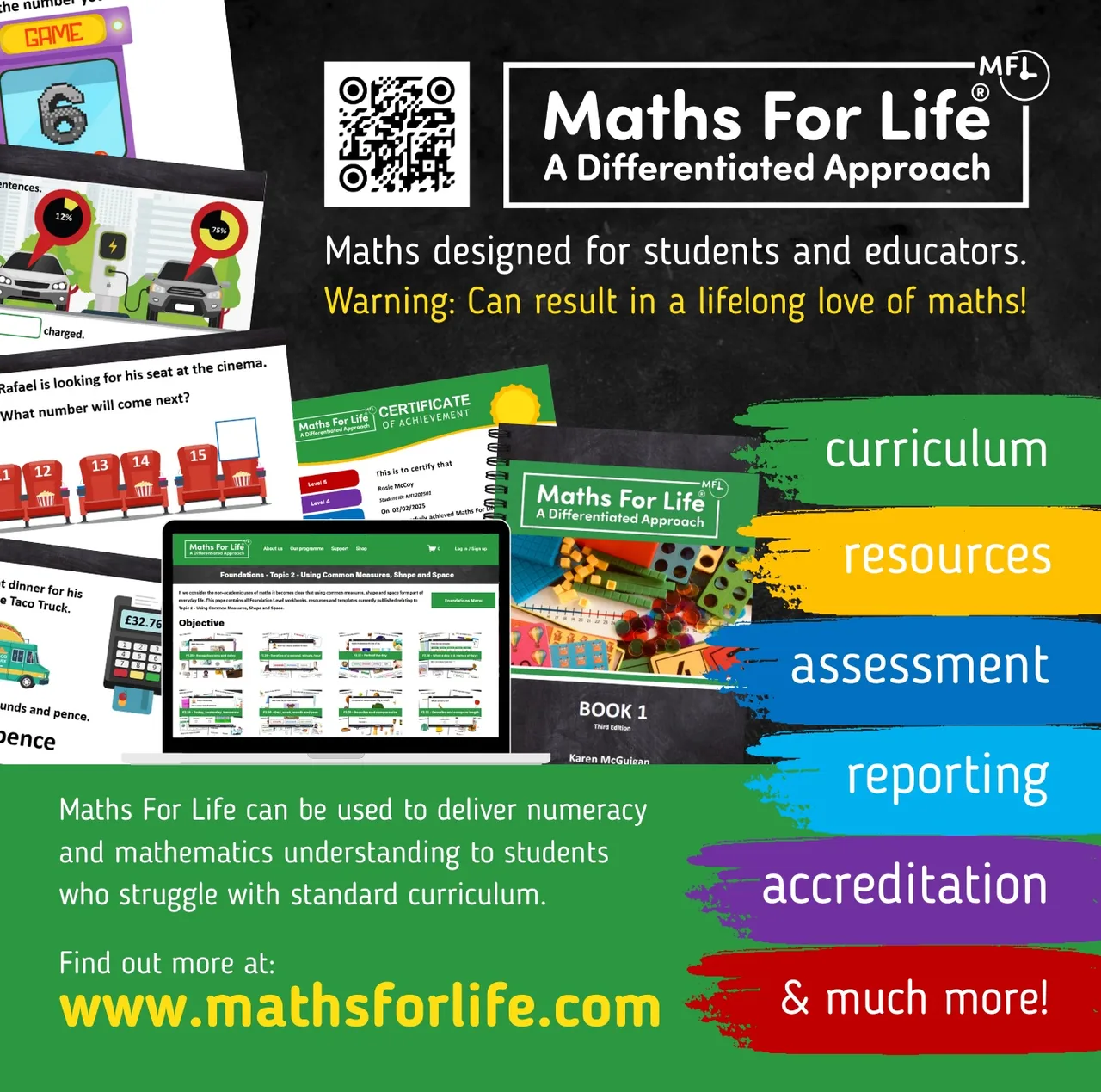
Maths For Life
Inclusive maths programme for SEND and pupils below age-related expectations, focused on real-life skills.

Bedrock Learning
Whole-school literacy platform improving reading, writing and vocabulary from KS1 to KS5.
Mighty Writer
Tactile mat-and-tile kit for teaching sentence and story writing in EYFS and KS1, and for KS2 intervention. Mighty Writer says it is used in 54 countries.