
Summary
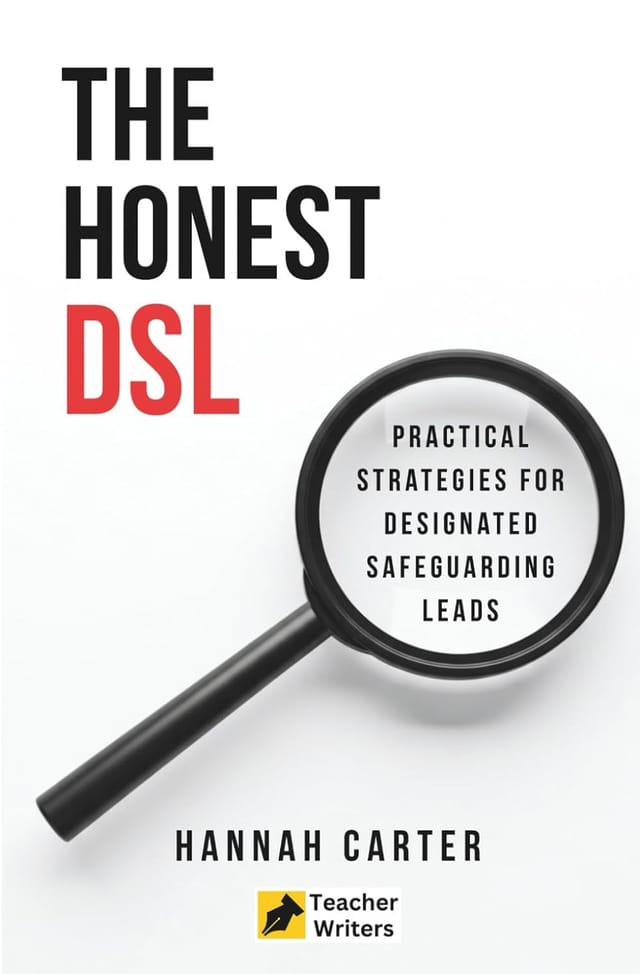
The Honest DSL is a candid account of the emotional labour and systemic pressures of child protection in schools, for Designated Safeguarding Leads and school leaders. It is part field guide, part personal testimony.
Book Overview
The Honest DSL is written by an experienced Designated Safeguarding Lead and mixes professional insight, personal reflection and practical frameworks. The author sets out the tone early: “This isn’t a handbook. It’s the truth about leading safeguarding.”
Across 34 short chapters, the book follows the DSL role from the first daunting weeks to the long battles with systems, bureaucracy and burnout.
Relevance and Audience
- Designated and Deputy DSLs
- Senior Leadership Teams and Headteachers
- Pastoral, SEND, and inclusion leaders
- Governors and policy shapers
It covers current pressures, including online harm, self-neglect, gender identity and family crisis, and suits multi-academy trust DSL networks and local authority training.
Structure and Key Themes
The book has four parts: Foundations of the Role, The Day-to-Day Reality, Specific Safeguarding Concerns, and Crisis and Conclusion.
- Emotional labour and resilience. The author writes movingly about the toll of the role: “Once you see what we see, you can’t unsee it.”
- Systems and people. A recurring thread sets statutory frameworks (KCSIE, Working Together) against the messy human situations DSLs deal with daily.
- Boundaries and sustainability. Chapters such as “Avoiding the Three Traps” and “Fail-safes, Backups and Backups for the Backups” give practical ways to prevent burnout.
- Less-discussed concerns. Affluent neglect, the hygiene dilemma, incel culture and safeguarding in alternative provision.
Strengths and Distinctive Features
The writing is conversational but well structured. Each chapter ends with takeaway reflections that could be used for staff CPD or supervision discussions.
The practical material (triage systems, safeguarding calendars, staff competency frameworks, and approaches to escalation and communication) will help leaders tighten processes. First-hand vignettes keep the child at the centre.
Limitations
Readers expecting academic references or comparative research may find the tone anecdotal. Its emotional intensity may also feel heavy for newly appointed DSLs.
Verdict
We would make it required reading for DSL induction and supervision, and for senior leaders who want to understand the pressures on safeguarding teams. It would work well for CPD book clubs, network reading groups, coaching and MAT-wide safeguarding programmes.
Essential reading for every safeguarding leader, headteacher, and governor who wants to understand the emotional truth behind keeping children safe.
Verdict: 9.5/10 — Authentic, courageous, and profoundly necessary.