
Overview
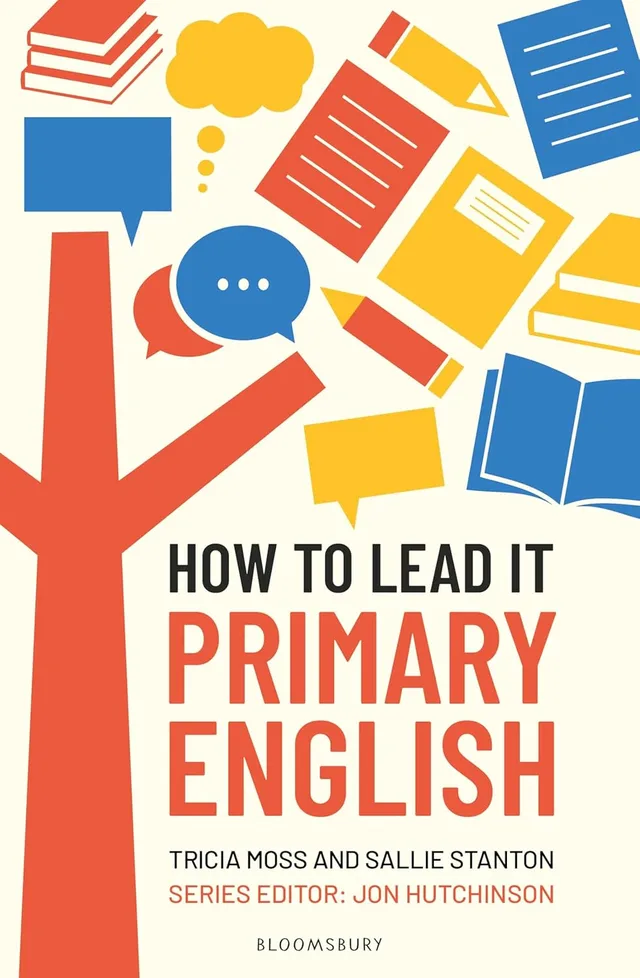
How to Lead it: Primary English is a research-informed guide for subject leaders responsible for the quality and consistency of English teaching across the primary phase. It covers curriculum design, implementation, monitoring and evaluation.
It is part of Bloomsbury's How to Lead it series and draws on the authors’ experience in curriculum leadership, inspection and professional development. The writing is clear and concise.
Structure and Content
The book has ten chapters, moving from curriculum intent through implementation and quality assurance to sustaining improvement.
Chapters 1–4: Establishing a Foundation
These chapters set out the purpose of English as a subject, with reading as the gateway to learning. The authors show how subject leaders can set out a coherent curriculum intent so that vocabulary, grammar, fluency and comprehension are taught explicitly and systematically. The theory, drawn from cognitive science, reading research and the EEF’s literacy guidance, is balanced by many classroom examples of effective practice.
Chapters 5–7: Developing and Embedding Practice
These chapters move from planning to delivery: reading fluency, writing progression, oracy and grammar instruction. Case studies and reflective checklists help leaders judge how far teaching in their own school reflects evidence-informed practice. The sections on developing teacher subject knowledge and leading professional learning communities are particularly useful.
Chapter 8: Implementing Change
This is the book’s centrepiece. Drawing on the Education Endowment Foundation’s (EEF) Guide to Implementation (Sharples et al., 2024), the authors model a step-by-step process for leading improvement through the phases Explore, Prepare, Deliver, and Sustain.
Case studies, such as Sunil’s vocabulary project in Aberystwyth and Tanika’s fluency initiative in Leicester, show leaders applying research in context. The chapter stresses sequenced planning, professional development and patience: change is sustained through deliberate planning and long-term support, not rapid reform.
Chapter 9: Monitoring and Quality Assurance
This chapter treats QA as collaborative inquiry rather than compliance. The authors set out what leaders should expect to see in classrooms, why it matters, and how to respond constructively when expectations are not yet met.
The examples of “what leaders expect”, “why it is important”, and “possible responses” offer a model of supportive accountability that fits current Ofsted expectations without encouraging performative practice.
Further sections include How Should an English Lesson Look?, Work Scrutiny and Pupil Voice, and Do I Need to Run Ofsted-Style Deep Dives? The authors argue that deep dives are unnecessary where strong QA systems are already in place, and that improvement comes from trust, professional dialogue and well-sequenced support, not surveillance.
Chapter 10: Sustaining Improvement
This chapter covers embedding change through deliberate practice, reflective review and coherent professional development. Leaders are encouraged to feed monitoring findings into the school development plan.
Style and Accessibility
Each chapter includes:
- Practical frameworks (e.g., EEF implementation phases, QA templates).
- Case studies of leadership in real schools.
- Reflection questions.
- Suggested readings.
It draws on current research (EEF, Ofsted, Robinson, Quigley, Snowling & Hulme) and suits both new and experienced subject leaders.
Verdict
How to Lead it: Primary English is clear, research-informed and generous. For English subject leaders, it gives both strategic direction and day-to-day tools. For senior leaders, it offers a model for evidence-led improvement.
Highly recommended for:
- English subject leaders and literacy coordinators
- Senior leadership teams overseeing curriculum development
- CPD leads designing professional learning pathways
- Schools preparing for or responding to Ofsted inspection
Rating: ★★★★★
A thoughtful, authoritative, and deeply practical guide that should be on the desk of every primary English leader.
About the book
- Authors: Tricia Moss and Sallie Stanton, with Jon Hutchinson, the series editor.
- Publisher: Bloomsbury Education, How to Lead it series. Paperback, 14 August 2025.
- ISBN: paperback 9781801996501; ebook 9781801996518.
Sources: bookshop listings at Canterbury Christ Church University Bookshop, Schweitzer and jpc, checked 13 October 2026. Bloomsbury's own page could not be fetched.